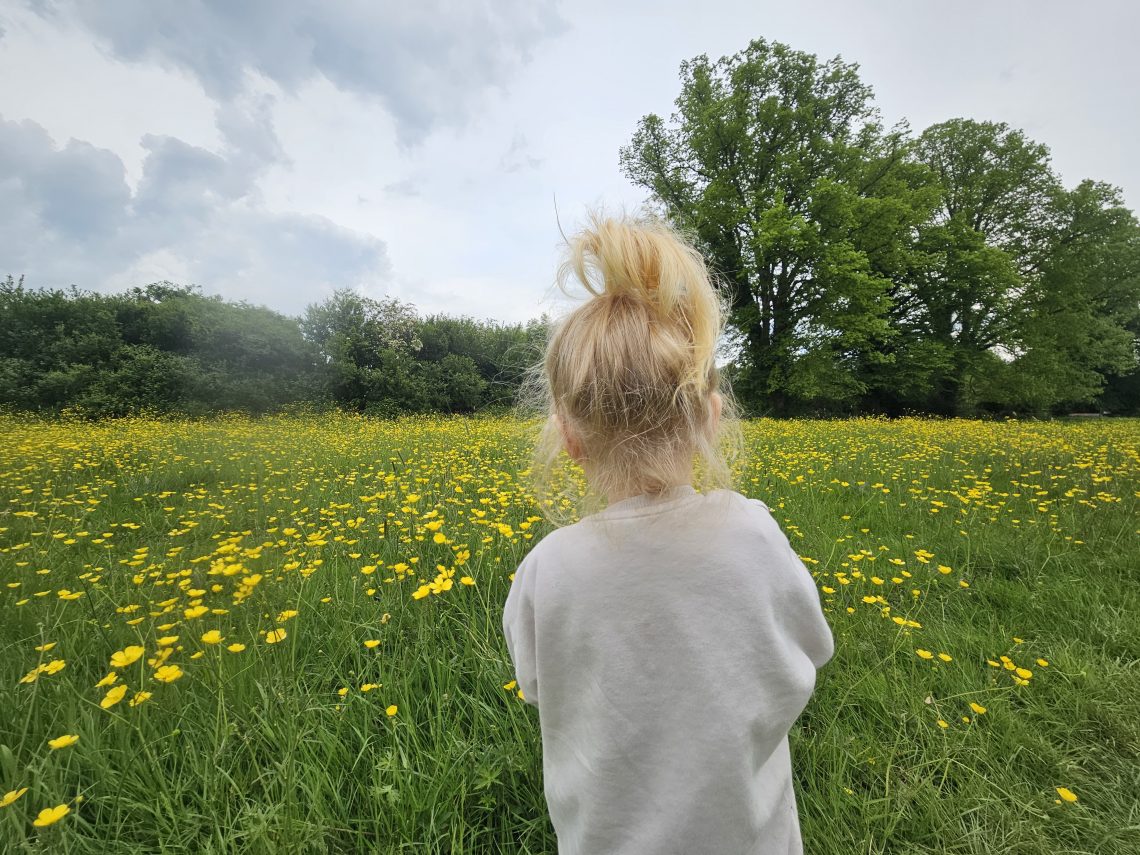
Bug Hunt Afternoon: The Screen-Free Activity That Actually Works
If you’ve ever desperately needed an afternoon activity that gets kids outside, costs nothing, and genuinely occupies them for more than 10 minutes, let me introduce you to the bug hunt.
Not a nature walk. Not “let’s look at insects.” A proper bug hunt—with missions, magnifying glasses, containers, and the kind of focus that usually only screens provide.
My kids have done this activity dozens of times and still ask for it. It works for toddlers (supervised), works for school-age kids (independently), works in gardens, allotments, parks, even small patios. And it costs roughly nothing.
This is the outdoor activity that actually delivers.
Why Bug Hunts Work So Well
For children:
- Feels like an expedition (children love having a clear mission)
- They’re leading the discovery (finding, identifying, observing)
- Genuinely fascinating (insects are extraordinary when you look closely)
- No “right” way to do it (low pressure, high engagement)
- Combines movement, observation, and genuine curiosity
For parents:
- Requires almost nothing (a few jars, time outdoors)
- Minimal preparation (five minutes to gather materials)
- Works in any outdoor space with nature
- Authentically educational (natural science, observation, patience)
- Children stay engaged for extended periods
For your values:
- Screen-free and present
- Connects children deeply to nature
- Teaches respect for living things and ecosystems
- Encourages genuine curiosity and careful observation
- Slows the pace—time to notice, wonder, explore
What You Need (Probably Already Have It)
Essential:
- Clear containers with lids (glass jam jars work beautifully, or any see-through containers you have)
- Magnifying glass (invest in a proper one if you can—it becomes a tool for years of exploration, or use your phone camera zoom)
- Your garden, allotment, or local green space
Worth Having:
- Bug identification guide (a beautiful field guide book, or use a phone app like Seek by iNaturalist)
- Small observation nets (optional but extend the experience)
- Nature journal and pencil (for older children who want to record their findings)
- Small wooden spoon or natural stick (for gently moving bugs into containers)
- Camera or phone (for documenting discoveries before releasing them)
Investment: Minimal to none if you use what you already have.
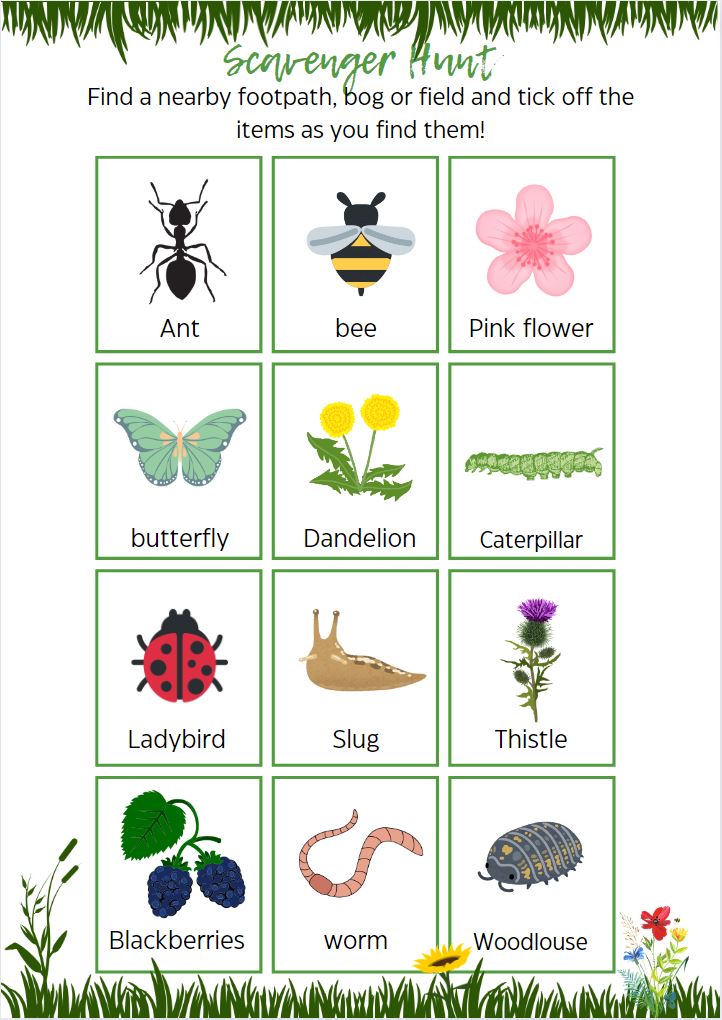
I’ve even made a quick print out for you that can be downloaded for free:
The Setup (Takes Five Minutes)
Step 1: Gather Your Materials
Collect your containers, magnifying glass, and any optional tools. A small basket or wooden tray keeps everything together and makes it feel purposeful.
Step 2: Set Clear Boundaries
Decide where the exploration will happen:
- Your garden or allotment
- A designated section if you have larger space
- Local park or nature area (check it’s appropriate)
- A friend’s garden
Make the boundaries clear so children can explore confidently within them.
Step 3: Establish the Ground Rules (Essential)
The non-negotiables:
- Gentle hands always (these are living creatures, not toys)
- Observe without harm (no squashing, no pulling legs or wings)
- Release after observing (we’re visitors in their world, not collectors)
- Wash hands afterwards (especially after touching soil or insects)
These aren’t suggestions—they’re essential. Children need to understand that we approach nature with respect and care.
Step 4: Give a Mission
Kids respond better to missions than vague instructions. Try:
For younger kids (2–5 years):
- “Find 5 different bugs”
- “Find something that crawls and something that flies”
- “Find the smallest bug you can”
For older kids (5–7+ years):
- “Find 10 different types of bugs and identify them”
- “Find bugs in 3 different places (under rocks, on plants, in soil)”
- “Take photos of 5 bugs and draw them afterwards”
Missions create focus and purpose.
Where to Look for Bugs (The Good Spots)
Not all parts of your garden are equally bug-rich. Here’s where to direct kids:
Under Things
- Rocks and stones (woodlice, beetles, worms)
- Logs or pieces of wood (all sorts hiding underneath)
- Plant pots (slugs, beetles, spiders)
- Paving slabs (ants, beetles)
Important: Teach kids to gently lift and replace—don’t just throw things aside.
On Plants
- Leaves (aphids, ladybirds, caterpillars)
- Flowers (bees, hoverflies, butterflies)
- Stems (aphids, shield bugs)
- Under leaves (caterpillars, spiders)
Tip: Look closely at vegetable plants if you have an allotment—there’s always something living there.
In Soil
- Dig gently in compost or soil (worms, beetles, larvae)
- Around plant roots (grubs, beetles)
- Near compost bins (absolute goldmine for bugs)
Near Water
- Ponds (if you have one—pond skaters, damselflies, dragonfly larvae)
- Bird baths (sometimes insects drinking)
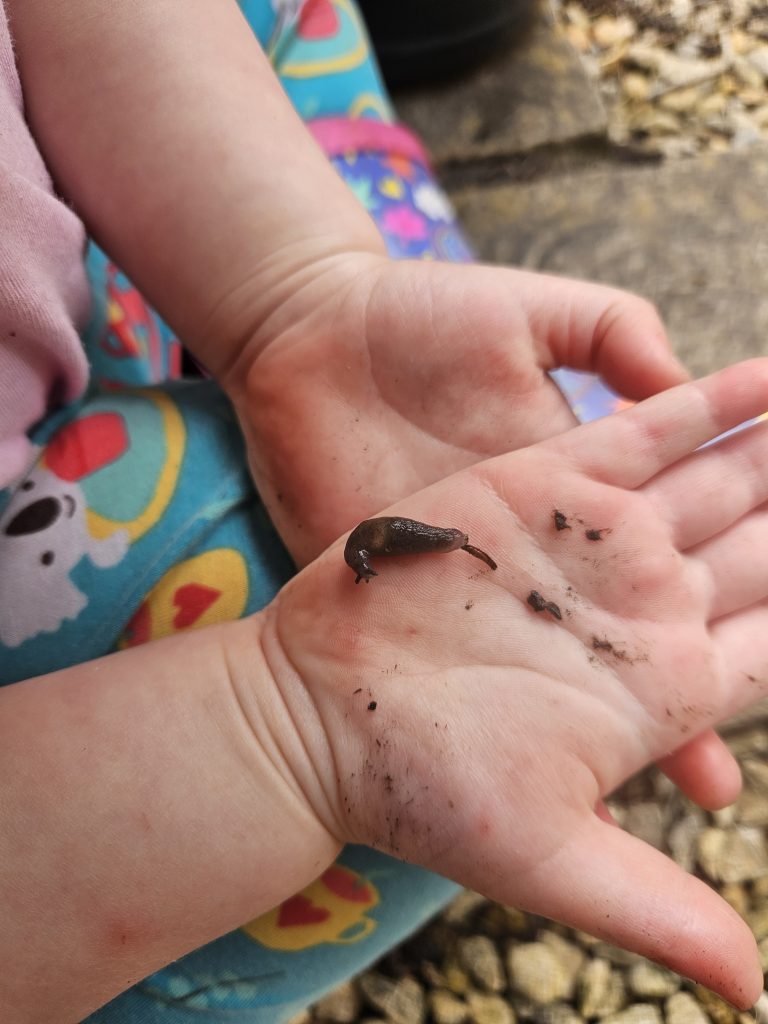
- Damp areas (slugs, snails)
Flying Around
- Near flowers (bees, butterflies, hoverflies)
- Near compost or food waste (flies—not glamorous but still interesting)
- Open sunny spots (butterflies, moths)
What You’ll Probably Find (UK Garden Edition)
Very Common (Almost Guaranteed)
- Woodlice (under rocks, damp places—harmless, fascinating to watch)
- Ants (everywhere, especially warm days)
- Slugs and snails (gardeners’ nemesis but kids love them)
- Worms (in soil, compost—teach kids these are garden helpers)
- Spiders (under pots, in corners—most UK spiders harmless)
- Beetles (various types, shiny and interesting)
Common (Very Likely)
- Ladybirds (aphid hunters—teach kids these are “good” bugs)
- Aphids (tiny, often on plant stems—garden pests but harmless to humans)
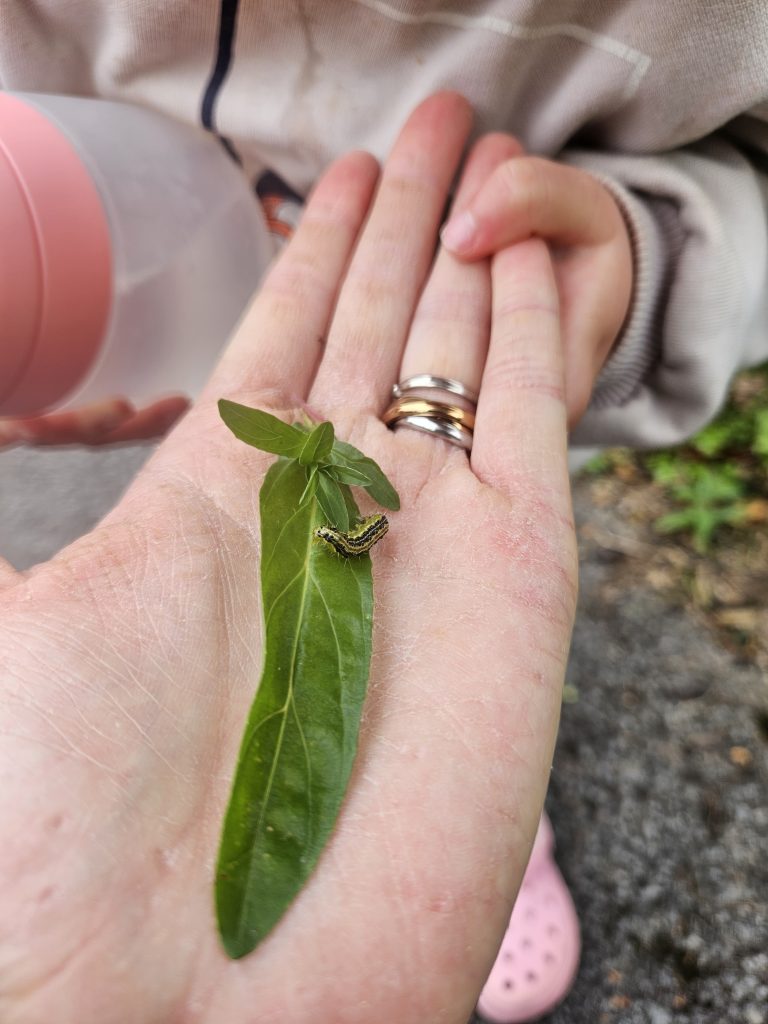
- Caterpillars (various types, often on leaves—handle gently or not at all)
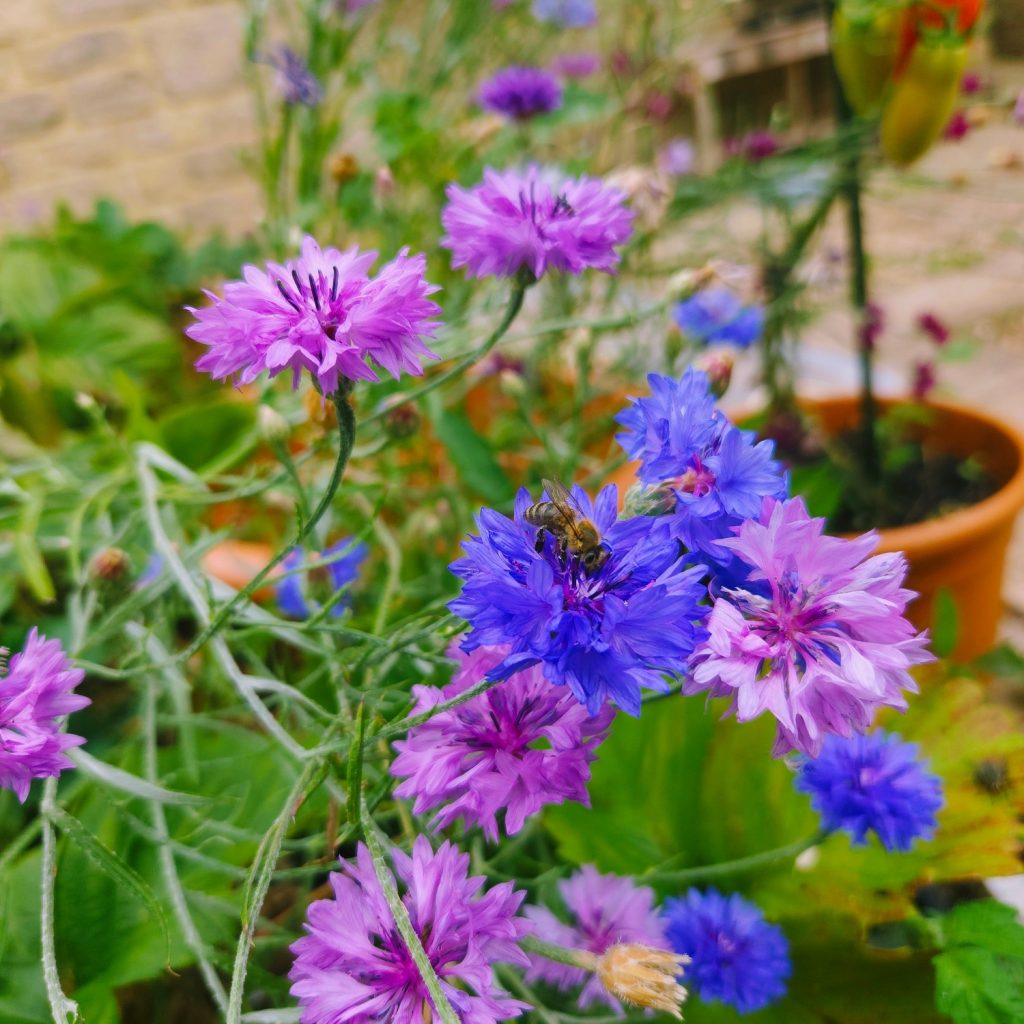
- Bees and bumblebees (near flowers—observe, don’t catch)
- Hoverflies (look like wasps but harmless, excellent pollinators)
- Centipedes and millipedes (under logs, damp soil)
Occasional (Exciting Finds)
- Butterflies (sunny days, near flowers—observe rather than catch)
- Shield bugs (green or brown, shield-shaped)
- Earwigs (under pots, damp places—harmless despite the name)
- Ground beetles (fast-moving, shiny black—predators)
Rare But Thrilling
- Stag beetles (if you’re very lucky—protected species, don’t handle)
- Glow worms (evening, damp grass—rare and magical)
- Damselflies or dragonflies (near water)
Bug Safety (What to Avoid)
Don’t catch or handle:
- Wasps or hornets (observe from distance, don’t swat)
- Bees (observe only—they can sting if threatened, and we need them)
- Anything with bright warning colors (red/black, yellow/black patterns often mean “don’t touch”)
Handle with care (or not at all):
- Caterpillars (some have irritating hairs—best to observe)
- Spiders (most UK spiders are harmless but can bite if scared)
Generally safe to handle briefly:
- Woodlice
- Snails (wash hands after—they carry parasites)
- Beetles (most types)
- Worms (garden heroes—handle gently)
Golden rule: If you’re not sure, observe but don’t touch.
The Bug Hunt Process (Step-by-Step)
1. Search
Kids explore the designated area, looking under things, on plants, in soil. They’re searching for movement, interesting shapes, unusual colors.
2. Catch (Gently)
When they find something:
- Use hands (if safe) or a small spoon/stick
- Guide bug into container
- Put lid on (poke air holes if keeping for more than a minute)
3. Observe
Look closely:
- How many legs? (Insects have 6, spiders have 8)
- What color?
- Does it have wings?
- How does it move?
- Is it fast or slow?
Use the magnifying glass or phone camera to zoom in.
4. Identify
If you have an identification chart or app, try to figure out what it is. Older kids love this detective work.
5. Release
After observing (no more than 5–10 minutes in a container), release the bug back where it was found.
Why this matters: Bugs are part of the ecosystem. We’re visitors observing their world, not collectors.
Age-Appropriate Adaptations
Toddlers (18 months–3 years)
- Supervise closely (everything goes in mouths at this age)
- Keep it very simple: “Let’s find bugs!”
- Focus on bigger, slower bugs (snails, woodlice)
- Short timeframe (15–20 minutes max)
- Emphasize gentle touching
Preschool (3–5 years)
- Give simple missions (“Find 3 bugs”)
- Help with catching and identification
- Teach gentle handling
- 20–40 minutes is realistic
- Lots of praise for observations
School Age (5–7 years)
- More complex missions (“Find 5 different types”)
- Can work more independently
- Introduce identification charts
- Encourage drawing or note-taking
- 30–60 minutes easily
Older Kids (7+ years)
- Scientific approach: observe, identify, record
- Photography and sketching
- Research bugs online afterwards
- Compare findings over multiple hunts
- Can work fully independently
Bug Hunt Variations (When They’ve Done It Before)
Photography Challenge
Use a phone or camera to photograph bugs in their habitat. No catching—just observation and photography. See who can get the best close-up.
Bug Identification Competition
Who can correctly identify the most species? Use apps or books to check.
Bug Count
Count how many of each type you find. Create a tally chart. Compare to last week’s hunt.
Night Bug Hunt
Evening or dusk—look for moths, glow worms (rare), nocturnal beetles. Use a torch. Very different experience.
Habitat Mapping
Draw a map of your garden/allotment and mark where you found each bug. Learn which habitats attract which bugs.
Bug Art
After the hunt, kids draw or paint their favorite bugs. Display the art.
Teaching Moments (Sneaky Education)
While kids are bug hunting, you can naturally teach:
Science:
- Insect anatomy (6 legs, 3 body parts)
- Life cycles (caterpillar → butterfly)
- Food chains (ladybirds eat aphids)
- Habitats (where bugs live and why)
Observation skills:
- Looking closely
- Noticing details
- Describing what they see
- Comparing and contrasting
Respect for nature:
- Living things deserve care
- Ecosystems matter
- We’re part of nature, not separate from it
Math (for older kids):
- Counting legs, spots, segments
- Tallying different types
- Comparing sizes
After the Bug Hunt
Clean Up
- Wash hands thoroughly (especially if handling soil or bugs)
- Put supplies away
- Check all bugs have been released
Extend the Activity (Optional)
- Look up bugs online together
- Draw favorite bugs
- Read a bug book
- Plan next week’s hunt
Talk About It
- What was the most interesting bug?
- Which was the fastest?
- What surprised you?
- What do you want to find next time?
Why This Matters
Slow, intentional living: Bug hunting requires you to slow down completely. You’re observing, waiting, noticing details most people miss. It’s the opposite of rushed, screen-filled afternoons. It’s presence.
Deep connection to nature: Children learn that gardens aren’t just decorative—they’re complex, living ecosystems. Insects aren’t scary or unpleasant—they’re fascinating and essential to the world we’re part of.
Meaningful without cost: This activity costs almost nothing but delivers genuine engagement, learning, and connection. The value is in the time, the attention, the curiosity—not in what you’ve purchased.
Screen-free by design: No devices needed (except perhaps for identification, and even that’s optional). This is tactile, present, real-world exploration.
Foundation for gardening knowledge: If you’re teaching children to garden, understanding insects is fundamental. Ladybirds eat aphids. Earthworms improve soil. Bees pollinate flowers. This knowledge is delivered naturally through play and discovery, not lectures.
Common Parent Questions
“My child is scared of bugs”
Start small. Observe from a distance first. Look at pictures in books. Let them watch you handle bugs gently. No pressure. Fear often fades with familiarity.
“My child wants to keep bugs as pets”
Explain that bugs have homes (habitats) and families. We’re visitors. Keeping them would be like someone taking you away from your home. Most bugs don’t survive long in captivity anyway.
“They’re too rough with bugs”
Immediate consequence: hunt ends if bugs are hurt. Reinforce that we’re gentle observers. If they can’t be gentle, they’re not ready for bug hunts yet.
“It’s boring after 10 minutes”
Normal for some kids. Try giving more specific missions, adding photography, or doing it with friends. Not every activity works for every child.
“We don’t have a garden”
Parks, friends’ gardens, school grounds (with permission), allotments. Bugs are everywhere.
The Real Win
You’ve given your children an afternoon outdoors. They’ve learned something meaningful. They’ve moved their bodies and engaged their minds. They’ve practiced genuine curiosity and careful observation.
And you didn’t need to spend money or plan elaborately. You didn’t rely on screens or manufactured entertainment.
That’s intentional parenting. That’s exactly what matters.
Quick Setup Checklist
5 Minutes Before:
- [ ] Gather jars/containers
- [ ] Find magnifying glass
- [ ] Set boundaries (where they can hunt)
- [ ] Explain rules (gentle, observe, release)
- [ ] Give mission
During:
- [ ] Supervise younger kids
- [ ] Help with identification
- [ ] Encourage observation
- [ ] Take photos if desired
After:
- [ ] Release all bugs
- [ ] Wash hands
- [ ] Put supplies away
- [ ] Talk about what you found
Time: 30–90 minutes | Cost: £0–5 | Result: Happy, occupied, learning kids
If you’d like other screen free activity ideas, why not check out my DIY Play Doh post?